How Good Design Improves Ad Revenue in Digital Magazines
Introduction
A well-designed digital magazines does more than look attractive—it directly influences reader engagement, retention, and ultimately advertising revenue. When layout, navigation, and responsiveness work together, advertisers receive higher visibility and publishers achieve better monetization outcomes.
For publishers and marketing teams, understanding how design impacts revenue is essential. Businesses like Savings Safari emphasize that strategic magazine design can significantly increase advertising performance in modern digital publications.
How does digital magazine design affect advertising revenue?
Design influences advertising revenue by controlling how readers interact with the content and ads within a digital magazine.
When the layout is intuitive and visually balanced, readers stay longer and scroll deeper into the publication. This increased engagement means advertisements receive more impressions and higher interaction rates.
A well-planned magazine design also ensures that ads appear naturally within the reading experience rather than interrupting it. According to multiple digital publishing studies, user-friendly magazine layouts can increase ad viewability by more than 30 percent.
This is why publishers focusing on design strategy often outperform competitors who rely solely on content volume.
Why is user experience critical for content monetization?
User experience determines whether readers continue browsing or leave after a few seconds.
When navigation is simple and pages load quickly, readers explore more articles, which increases opportunities for content monetization. A strong user experience also reduces bounce rates, improving overall engagement metrics that advertisers value.
For example, a digital magazine with smooth page transitions, clear typography, and organized sections encourages readers to stay longer. This extended session time directly improves advertising exposure.
Digital publishing experts consistently highlight that publications prioritizing user experience achieve stronger advertising ROI than those focused only on content quantity.
Savings Safari often highlights this principle when helping businesses optimize their advertising strategies within digital media environments.
What role does responsive design play in ad performance?
Responsive design ensures that a digital magazine displays correctly across all devices, including smartphones, tablets, and desktops.
Since more than half of digital reading now occurs on mobile devices, poorly optimized layouts can cause advertisements to appear misaligned, hidden, or difficult to interact with.
A responsive design automatically adjusts the magazine layout to the reader’s screen size. This ensures advertisements remain visible, clickable, and properly formatted regardless of device.
Publishers who invest in responsive magazine design often see higher engagement rates because readers can comfortably browse the content without layout issues.
For advertisers, this means consistent visibility and improved campaign performance across platforms.
How does strategic layout improve ad visibility?
Strategic placement of advertisements within editorial content improves their visibility without disrupting the reader’s experience.
A strong design strategy carefully integrates ads between content sections where readers naturally pause. These placements feel less intrusive and therefore receive more attention.
For instance, placing ads after engaging content segments or between long articles allows them to appear as part of the reading journey rather than distractions.
Heatmap research from digital publishing platforms shows that ads positioned near key content breakpoints receive significantly higher engagement.
This demonstrates that design strategy directly impacts how advertisements perform in a digital magazine.

What design elements make ads more effective in digital magazines?
Certain design elements consistently improve advertising performance.
Typography clarity ensures both editorial and promotional content remains readable. When text hierarchy is clear, advertisements become easier to notice without overwhelming readers.
Whitespace is another important factor. Proper spacing around ads helps them stand out visually while maintaining the magazine’s aesthetic balance.
Color contrast also plays a role. Ads designed to complement the overall magazine design attract attention without appearing disruptive.
These small but strategic adjustments help maximize advertising effectiveness while maintaining a polished digital magazine experience.
How does content structure influence ad engagement?
Content structure determines how readers move through a digital magazine and encounter advertisements.
When articles are well organized with clear headings and visual breaks, readers naturally progress through the content. This structured flow increases the likelihood that readers will see advertisements placed throughout the publication.
Long-form articles with subheadings, embedded visuals, and balanced layout tend to generate more ad impressions than poorly formatted text blocks.
Publishers who combine strong editorial content with thoughtful magazine design create an environment where both readers and advertisers benefit.
Savings Safari often emphasizes this integrated approach, combining strategic content planning with optimized design to improve advertising outcomes.
Why do advertisers prefer well-designed digital magazines?
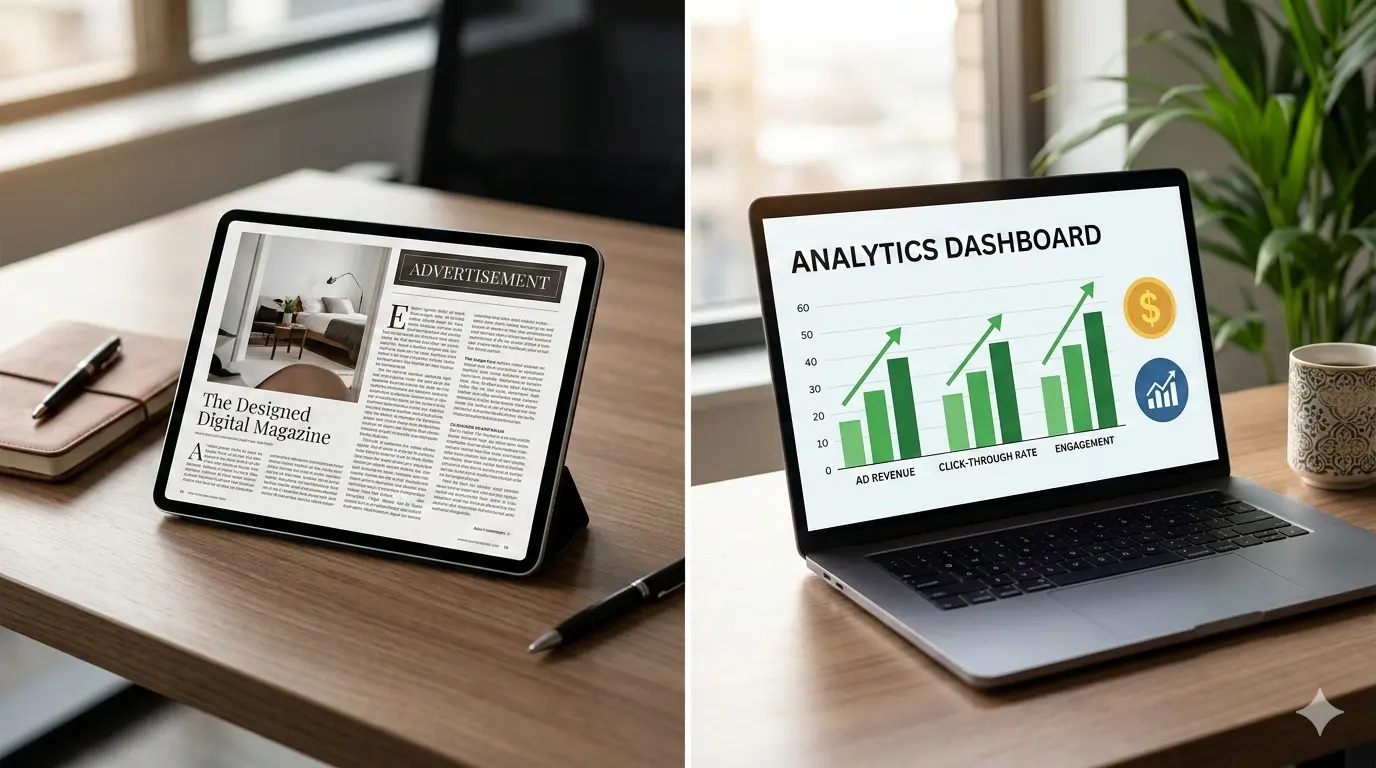
Advertisers prefer well-designed digital magazines because they deliver better engagement metrics.
When readers trust the publication’s quality and usability, they are more receptive to advertisements. A polished magazine design also strengthens the credibility of the advertising brands featured within it.
High-quality publications typically offer:
- Better ad viewability rates
- Higher click-through rates
- Longer reader session times
- Improved brand perception
These benefits make well-designed digital magazines attractive platforms for advertisers seeking measurable results.
How can publishers improve digital magazine monetization through design?
Publishers can increase revenue by implementing a design strategy focused on both reader experience and advertising performance.
Improving loading speed, optimizing responsive design, and maintaining a clean visual hierarchy are essential steps.
Additionally, publishers should analyze reader behavior to identify the best ad placement opportunities. Data-driven design adjustments allow publications to refine their layouts and maximize content monetization.
Industry leaders consistently emphasize that design improvements often produce higher revenue gains than simply adding more advertisements.
FAQs
What is a digital magazine?
A digital magazine is an online publication that delivers magazine-style content through websites, apps, or digital publishing platforms. It combines editorial articles, multimedia, and advertising within a structured layout.
Why is design important for digital magazine revenue?
Design influences reader engagement and ad visibility. When readers navigate easily and stay longer, advertisements receive more exposure and interaction.
How does responsive design affect digital magazine advertising?
Responsive design ensures the magazine displays properly on all devices. This keeps advertisements visible and usable on mobile, tablet, and desktop screens.
What is magazine design strategy?
Magazine design strategy refers to planning layouts, typography, navigation, and ad placement to maximize readability and engagement while supporting monetization goals.
How does user experience influence ad clicks?
A positive user experience encourages readers to stay longer and interact more with the content. This increases the likelihood that they will notice and click on advertisements.
Can better design increase magazine ad rates?
Yes. Publications with strong engagement metrics can charge higher advertising rates because advertisers receive better visibility and performance.
What layout works best for digital magazines?
Layouts with clear headings, strong visual hierarchy, and balanced whitespace tend to perform best for both readers and advertisers.
How does content monetization work in digital magazines?
Content monetization involves generating revenue from advertising placements, sponsored content, and premium subscriptions within a digital magazine.
Are mobile readers important for digital magazine revenue?
Yes. A large percentage of digital readers access magazines on mobile devices, making responsive design critical for advertising success.
How can publishers improve digital magazine engagement?
Publishers can improve engagement by focusing on responsive design, intuitive navigation, strong editorial structure, and visually appealing magazine design.