Seasonal Promotion Calendar for Small Businesses: Plan Offers That Attract Local Customers

Seasonal promotions allow small businesses to attract new customers, increase sales, and make the most of holidays and special occasions. From Valentine’s Day offers to holiday shopping discounts, planning promotions at the right time can help businesses connect with customers when they are ready to buy.
A seasonal promotion calendar for small businesses makes it easier to organize campaigns, prepare offers in advance, and maintain consistent marketing throughout the year. Instead of creating last-minute discounts, businesses can plan relevant promotions around local events, customer needs, and seasonal shopping habits.
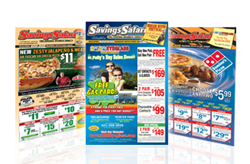
For businesses advertising through local publications and coupon platforms like Savings Safari, a well-planned calendar can also help coordinate promotional offers with advertising schedules.
What Is a Seasonal Marketing Calendar for Small Businesses?
A seasonal marketing calendar is a yearly plan that outlines upcoming promotions, holidays, special events, and marketing activities. It helps business owners decide what to promote, when to launch an offer, and how to reach their target audience.
For example, a restaurant might promote special menus around Valentine’s Day, while a retail store could offer back-to-school discounts in late summer.
A seasonal marketing calendar for small businesses helps owners:
- Plan promotional campaigns.
- Budget for advertising and discounts.
- Create offers that match customer demand.
- Coordinate online and offline marketing.
- Measure results and improve future campaigns.
Businesses can also explore Savings Safari’s advertising opportunities to learn how local advertising can support their seasonal promotional campaigns.
How to Create an Annual Promotional Calendar
Creating an annual promotional calendar does not need to be complicated. Start with the key dates that matter to your business and build your campaigns around them.
1. Identify Important Seasonal Dates
List major holidays, seasonal changes, community events, and industry-specific occasions. Choose dates that are relevant to your customers rather than trying to promote something every week.
For example, florists can focus on Valentine’s Day and Mother’s Day, while home improvement businesses may prioritize spring and summer projects. Businesses can explore current coupons on Savings Safari for ideas on seasonal offers and promotions that attract local customers.
2. Match Promotions to Customer Needs
Think about what customers are likely to need during each season. A clothing store might promote winter essentials, while a restaurant could introduce summer specials.
Offers that solve seasonal customer needs often feel more relevant than generic discounts.
3. Set a Budget and Prepare Early
Determine how much you can spend on discounts, advertising, creative materials, and campaign management. Prepare promotional content several weeks ahead of major holidays to give customers enough time to discover your offers.
4. Choose the Right Marketing Channels
Use channels that your target customers already engage with, such as email, social media, local advertising, and coupon publications.
Businesses can explore advertising opportunities with Savings Safari to learn how local advertising may fit into their promotional plans.

Seasonal Promotion Ideas for Small Businesses
Small businesses can organize promotions throughout the year based on holidays, seasonal changes, and local customer needs.
- January: Promote New Year specials and fresh-start offers.
- February: Create Valentine’s Day discounts and gift promotions.
- March-April: Advertise spring sales and seasonal service offers.
- May-June: Offer Mother’s Day, Father’s Day, and early summer promotions.
- July-August: Introduce summer savings and back-to-school deals.
- September-October: Promote fall offers and Halloween specials.
- November: Prepare Thanksgiving and early holiday shopping deals.
- December: Offer holiday gift packages and year-end promotions.
These are general planning suggestions. Businesses should adjust their calendars to match local holidays, community events, customer demand, and operating schedules.
Local Business Holiday Promotions That Attract Customers
Successful local business holiday promotions offer a clear benefit and give customers a reason to act.
Consider these practical ideas:
- Restaurants: Offer seasonal menus, family meal deals, or limited-time dining discounts.
- Retail stores: Create holiday bundles, gift packages, or spend-and-save offers.
- Salons and spas: Promote seasonal service packages or gift cards.
- Home service businesses: Advertise seasonal maintenance packages and timely service discounts.
- Local shops: Offer special deals tied to community events or neighborhood celebrations.
Small businesses can also combine seasonal offers for local customers with loyalty rewards to encourage repeat purchases. Keep terms clear, including expiration dates, minimum spending requirements, and any exclusions.
How to Measure Seasonal Promotion Performance
Planning a promotion is only the first step. Businesses should also evaluate whether their campaigns generate meaningful results.
Track these key metrics:
- Redemption rate: How many customers used the offer?
- Sales revenue: How much revenue did the campaign generate?
- Customer acquisition: How many new customers visited or purchased?
- Average order value: How much did customers spend per transaction?
- Return on investment (ROI): Did the campaign generate enough profit to justify its costs?
Use unique coupon codes or campaign-specific links to compare marketing channels. Review results after each promotion and apply those insights to the next seasonal campaign.
Conclusion
A seasonal promotion calendar helps small businesses plan relevant offers, manage marketing budgets, and connect with local customers throughout the year. By identifying important dates, preparing campaigns early, and tracking results, businesses can make seasonal marketing more organized and effective.
For businesses looking to reach nearby audiences, combining seasonal offers with local advertising can increase awareness and encourage customer visits. Savings Safari offers local advertising opportunities that businesses can explore to support their promotional strategies. To learn more about advertising options, visit the Contact Us page and connect with the Savings Safari team.
Frequently Asked Questions
1. What is a seasonal promotion calendar for small businesses?
It is a yearly schedule of holidays, seasonal events, discounts, and marketing campaigns that helps small businesses plan promotions.
2. How do I create a seasonal marketing calendar?
Identify relevant holidays and local events, match offers to customer needs, set a budget, choose marketing channels, and schedule each campaign before its launch date.
3. Which holidays are best for local business promotions?
Valentine’s Day, Mother’s Day, Father’s Day, back-to-school season, Halloween, Thanksgiving, and December holidays can offer promotional opportunities, depending on the business and local audience.
4. How far in advance should businesses plan seasonal offers?
Ideally, begin planning several weeks or months before major seasonal events. This allows time to prepare advertisements, finalize discounts, and promote offers to customers.
5. How can small businesses measure seasonal promotion success?
Track coupon redemptions, revenue, new customers, average order value, and campaign ROI. Compare results with previous promotions to identify opportunities for improvement.
6. Why are seasonal offers effective for local customers?
Seasonal offers can address timely customer needs, provide a clear reason to purchase, and connect a business’s products or services with relevant holidays, events, and changing seasons.
annual promotional planning local business holiday promotions seasonal marketing calendar for small businesses seasonal offers for local customers seasonal promotion calendar for small business